




Patola Guide
The Patola Buying Guide
A closer look before you choose
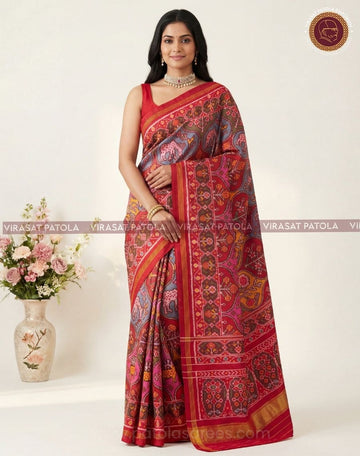
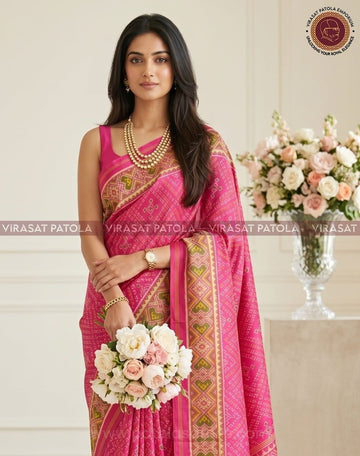
A Patola saree can become part of many celebrations. Before choosing yours, take time to understand the weaving, compare the details and picture how you will wear it. Here is a practical starting point for your shortlist.
Choose for the day, not just the photograph
Consider the occasion, how long you will be wearing the saree and the colours you already enjoy. Think about comfort and movement alongside the appearance of the finished outfit.
Weddings and bridal occasions
Look at the body, border and pallu together. Decide whether you want the saree or your jewellery to be the main focus. A bridal choice can come from different Patola types; double ikat is not a requirement.
Festivals and family celebrations
Choose colours you like in daylight and motifs that feel personal. Ask to see the saree opened and moving so you can understand its drape, rather than relying on a folded image.
Pooja and longer ceremonies
Consider the fabric’s weight, how easily you can sit and move, and how you will arrange the pallu. Check the drape with the blouse and footwear you plan to wear.
A gift for someone special
Start with the recipient’s usual colours and preferred style. Confirm the blouse-piece details, delivery arrangements and applicable exchange terms before ordering.
What does the Patola type tell you?
A category name is a starting point. Ask how the individual saree was made, which fibres it contains and where it was woven.
| Type or label | What it describes | What to ask |
|---|---|---|
| Single ikat | The resist-dyed pattern is prepared in one set of threads: warp or weft. | Which threads are patterned? Where was the saree woven, and what is its fibre composition? |
| Double ikat | Both warp and weft are resist-dyed before weaving. Their patterns must align as the cloth is woven. | Can you show close-ups, the reverse and information about its weaving origin? |
| Semi ikat | A retail label whose meaning can vary between sellers. The name alone does not fully explain the construction. | What does “semi ikat” mean for this particular piece, and how does it differ from the other sarees? |
Plan your budget beyond the saree price
Weaving technique, fibre composition, design complexity, origin and finishing can affect the price. Compare pieces with clear descriptions rather than choosing by a category name or discount alone.
- Blouse piece: check whether one is included and ask for its measurements.
- Finishing: confirm whether fall, edging, tassels or stitching cost extra.
- Delivery: check shipping charges and, for international orders, how duties and taxes are handled.
- Alterations: read the return and exchange terms before requesting any work.
Refer to current product listings for prices. If you have a budget in mind, share it when asking for a shortlist.
Five details worth checking before you buy
- See the complete saree. Ask for views of the body, border, pallu and blouse piece. One folded photograph cannot show the complete design.
- Understand the fabric. Request fibre details and a close-up of the weave. A photograph alone cannot verify pure silk.
- Compare the colour in suitable light. A daylight view can help, although screens and lighting may still affect how a shade appears.
- Examine the workmanship. Ask about any snags, stains, repairs or weaving variations and whether they affect appearance or wear.
- Ask about provenance. Find out where the saree was woven, who made it and what supporting information is available.
Questions before your first Patola purchase
Which Patola should I choose for my first saree?
Start with your budget, preferred colours and how often you expect to wear it. Compare the drape and product details across suitable pieces. There is no single type that suits every first-time buyer.
Do I need double ikat for a wedding?
No. Choose according to your role in the celebration, personal taste and budget. The colour, border, drape and styling also contribute to the finished outfit.
Can I identify handwoven Patola by looking at the reverse?
The reverse can help you examine the construction, but it is not sufficient evidence on its own. Ask for weaving details and provenance alongside views of both sides.
What should I ask during a video-shopping call?
Ask to see the saree opened fully, followed by the border, pallu, reverse and blouse piece. Confirm the colour, measurements, finishing, total cost and delivery terms before ordering.
How should I care for my Patola saree?
Follow the care advice supplied for that particular piece. Ask about cleaning, folding and storage, as requirements can differ with the fibres, dyes, zari and added work.
Help with your shortlist
Tell us what you are choosing for
Share your occasion, preferred colours and budget. Ask to compare the details that matter to you before making your decision.